
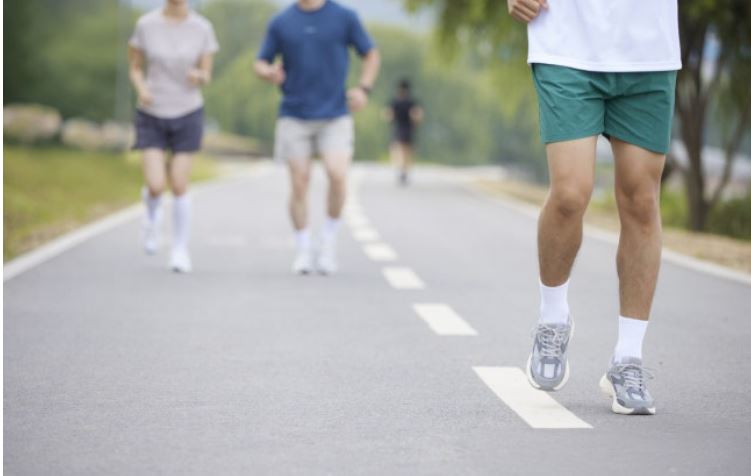
러너 94% 통증·부상 경험… 안전한 러닝 환경 조성의 중요성 부각
2026년 11월 11일 경기일보는 기획보도 「달림이 1천만 시대」를 통해 경기도 러너 260명을 대상으로 실시한 러닝 환경 및 안전 실태조사 결과를 발표했다.
이번 조사에서는 러닝 중 통증과 부상 경험, 노면 상태에 따른 위험 요소, 안전한 러닝 환경을 위한 개선 필요성 등이 다뤄졌다.
주요 조사 결과
경기일보가 경기도 소재 마라톤 및 러닝 동호회원 260명을 대상으로 실시한 설문조사에서 다음과 같은 결과가 나타났다.
- 93.5%: 러닝 중 통증 또는 부상 경험
- 61.5%: 병원 치료를 받거나 일정 기간 러닝을 중단한 경험
- 76.2%: 노면 또는 코스 상태와 관련된 낙상 및 낙상 직전 경험
- 75.0%: 아스팔트, 콘크리트, 보도블록을 주요 러닝 노면으로 이용
- 75.4%: 아스팔트, 콘크리트, 보도블록을 신체 부담이 가장 큰 노면으로 인식
주요 통증 및 부상 부위
응답자들이 보고한 통증 및 부상 부위는 주로 하지에 집중됐다.
- 무릎: 49.2%
- 발목 및 발바닥: 45.4%
- 허벅지 및 고관절: 31.2%
- 정강이 및 종아리: 29.2%
해당 결과는 러닝 중 반복적인 하지 부하와 노면 조건, 신발 특성, 개인의 움직임 패턴 등을 종합적으로 평가할 필요성을 보여준다.
다만 이러한 수치는 특정 러너 집단의 자기보고식 설문조사 결과이며, 전체 러닝 인구의 부상 발생률이나 노면에 의한 직접적인 부상 위험을 의미하지는 않는다.
SID Lab 연구와의 연관성
한양대학교 스포츠혁신동역학연구실(SID Lab)은 보행 및 달리기 동작의 생체역학적 특성, 신발 성능, 충격 전달 및 스포츠 노면 특성 평가를 주요 연구 분야로 다루고 있다.
특히 2026년 「체육과학연구」에 발표된 코르크, 우레탄, 콘크리트 노면 비교 연구에서는 보행 및 달리기 중 경골 가속도와 생리학적 반응을 분석했다.
이번 경기일보의 설문조사는 러너들이 실제 운동 환경에서 경험하는 불편과 안전 문제를 보여주며, SID Lab이 수행하는 정량적 생체역학 연구의 사회적 필요성과 연관성을 확인할 수 있는 사례다.
안전한 러닝 환경을 위한 시사점
안전한 러닝 환경을 조성하기 위해서는 노면의 충격 완화 특성뿐 아니라 평탄성, 유지관리 상태, 보행자 및 자전거 이용자와의 동선 분리 등 다양한 요소를 종합적으로 고려해야 한다.
또한 노면 재질과 신발의 상호작용, 개인별 달리기 동작 특성, 반복적인 하지 부하에 관한 체계적인 연구가 필요하다.
SID Lab은 앞으로도 스포츠 생체역학과 스포츠 공학을 기반으로 운동 환경의 과학적 평가 및 안전성 향상에 기여하고자 한다.
언론보도
언론사: 경기일보
보도일: 2026년 11월 11일
기사명: 러너 94% “통증·부상 경험”…노면·코스 상태에 ‘골병’ [달림이 1천만 시대 ③]
기사 원문: https://www.kyeonggi.com/article/20261110580487
Translated Version
94% of Runners Report Pain or Injury: Growing Need for Safer Running Environments
On November 11, 2026, Gyeonggi Ilbo reported findings from a survey of 260 recreational runners in Gyeonggi Province, South Korea, as part of its special news series, "The Era of 10 Million Runners."
The survey examined running-related pain and injury experiences, running surface conditions, and environmental factors affecting runners' safety.
Key Survey Findings
The survey revealed several concerns regarding recreational running environments.
- 93.5% reported experiencing pain or injury while running.
- 61.5% had received medical treatment or temporarily stopped running.
- 76.2% reported experiencing a fall or near-fall related to surface or course conditions.
- 75.0% primarily ran on asphalt, concrete, or paving blocks.
- 75.4% perceived these hard surfaces as placing the greatest physical burden on their bodies.
Common Areas of Pain and Injury
The most frequently reported anatomical regions were:
- Knee: 49.2%
- Ankle and plantar foot: 45.4%
- Thigh and hip: 31.2%
- Shin and calf: 29.2%
These findings suggest the importance of evaluating lower-limb biomechanics, repetitive loading, footwear characteristics, and running surface conditions.
However, the survey represents self-reported experiences within a specific recreational running population. The results should not be interpreted as clinically confirmed injury rates or evidence that particular surfaces directly caused the reported injuries.
Relevance to SID Lab Research
At Hanyang University's Sports Innovation & Dynamics Laboratory (SID Lab), research focuses on human movement biomechanics, footwear engineering, impact loading, and sports surface evaluation.
A related study published by our research team in the Korean Journal of Sport Science in 2026 investigated biomechanical and physiological responses to cork, polyurethane, and concrete surfaces during walking and running.
While the Gyeonggi Ilbo survey addresses runners' practical experiences and perceptions, our experimental research provides complementary evidence about the biomechanical responses associated with different surface materials.
Together, these perspectives highlight the value of combining biomechanical measurements with real-world assessments of running environments.
Implications for Running Safety
Developing safer running infrastructure requires consideration of multiple factors, including surface uniformity, impact attenuation, maintenance conditions, and the separation of pedestrian and cycling routes.
Further research is needed to understand the relationships between surface properties, footwear, individual running mechanics, repetitive loading, and injury risk.
SID Lab remains committed to advancing sports biomechanics and engineering research that can support safer and more effective physical activity environments.
Media Coverage
Source: Gyeonggi Ilbo
Date: November 11, 2026
Original Article: 러너 94% “통증·부상 경험”…노면·코스 상태에 ‘골병’ [달림이 1천만 시대 ③]
Article Link: https://www.kyeonggi.com/article/20261110580487